
Epoxy vs. Polyaspartic Floor Coatings (And Why We Use Both)
Epoxy vs Polyaspartic For A Garage Floor, Basement, or Commercial Space
If you’re comparing epoxy vs. polyaspartic for a garage floor, basement, or commercial space, you’ll find a lot of “either/or” advice online. In reality, the best floors aren’t built by choosing one product—they’re built with a complete coating system where each layer does what it’s best at.
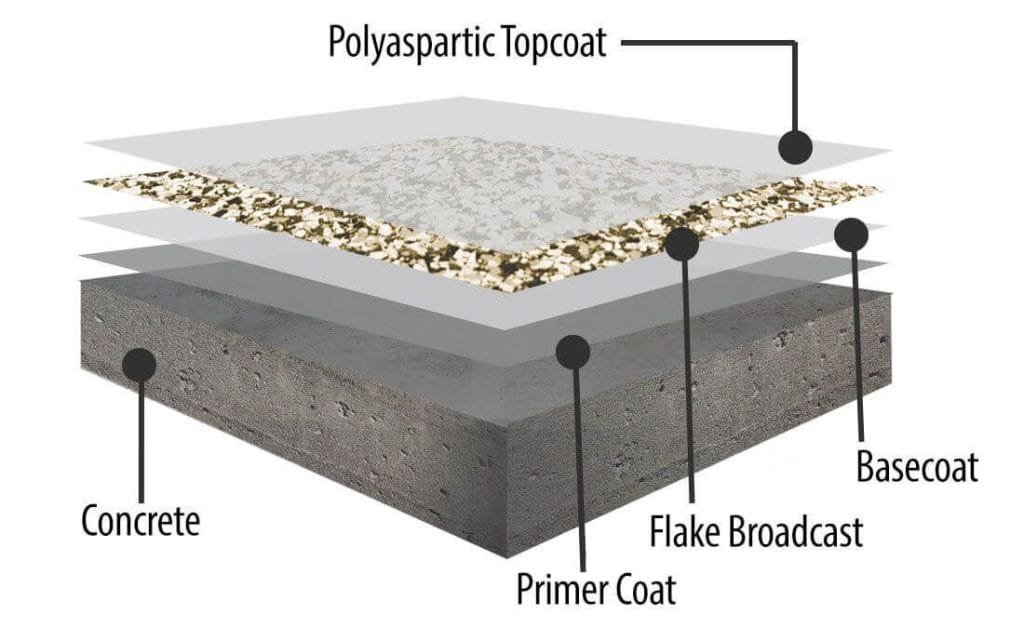
At DMV Epoxy Pro, we install a professional system that uses:
100% solids Epoxy for the basecoat, including a Moisture Vapor Barrier (MVB) rated for a minimum Moisture Emission Rate (MVER) of 9 lbs (Learn more about moisture and concrete prep)
- We will test your concrete slab and if we detect high moisture emissions we will recommend an additional MVB with up to 25 lbs of MVER.
Polyaspartic for the topcoat for maximum durability, stain resistance, and long-term performance
If you’re considering garage epoxy floors, see our system here – Garage Epoxy Floors, or for commercial applications check out our Commercial Epoxy Floor guide.
Epoxy vs. Polyaspartic Floor Coatings: What’s the Difference?
Epoxy and polyaspartic floor coatings are both high-performance concrete coatings, but they behave differently and excel in different roles.
What is epoxy?
Epoxy is a resin-based coating known for:
Strong adhesion to properly prepared concrete
Excellent build thickness (great for base layers)
A stable foundation for flake and metallic systems
What is polyaspartic?
Polyaspartic is a fast-curing coating known for:
High abrasion resistance
Excellent chemical and stain resistance
Improved UV stability compared to many traditional epoxies
A slick, easy-to-clean finish
Why We Use Epoxy for the Basecoat
The basecoat is the “bond layer” that locks the entire system to the concrete. If the basecoat fails, the coating fails—no matter how good the topcoat is.
Epoxy creates a strong bond to concrete
Concrete is porous and can vary widely in density, moisture, and condition. Epoxy is ideal for the basecoat because it:
Bonds aggressively to a properly ground and profiled slab
Provides a stable, durable foundation
Creates an excellent surface for flake broadcast and encapsulation
Our epoxy basecoat includes a moisture vapor barrier (minimum 9 lbs MVER). We only use high quality US sourced epoxies, such as Aquastop E-96
Moisture vapor transmission is one of the biggest reasons coatings fail over time. Vapor pressure from beneath the slab can lead to:
Bubbling
Peeling
Flaking
Delamination
That’s why our basecoat system includes a moisture vapor barrier rated for a minimum moisture emission rate (MVER) of 9 lbs. This is especially important for:
Garages (temperature swings + moisture exposure)
Basements (higher humidity and moisture risk)
Older slabs or any slab with unknown moisture history
Why We Use Polyaspartic for the Topcoat
Once the basecoat is bonded and the decorative layer is installed (like full flake), the topcoat becomes the “wear layer.” This is what takes the daily abuse.
Polyaspartic topcoats are tough and long-lasting
A polyaspartic topcoat is designed to resist:
Hot tire pickup
Abrasion and scratches
Oil, salt, and chemical spills
Stains and everyday wear
Easier to clean and maintain
Polyaspartic creates a smooth, sealed finish that:
Repels dirt and grime more effectively
Cleans up easily with simple sweeping and mopping
Keeps your floor looking “showroom” longer
Better UV stability for sun-exposed garages
If your garage gets sunlight through open doors or windows, UV stability matters. Polyaspartic is typically a better option than traditional epoxy finishes for helping reduce:
Yellowing
Fading
Dulling
Benefits of an Epoxy Basecoat + Polyaspartic Topcoat System
When installed properly, this combination offers the best of both materials.
Epoxy provides the foundation
Strong concrete bond
Ideal for moisture mitigation (including our 9 lb MVER vapor barrier)
Excellent support for decorative systems like full flake
Polyaspartic provides the protection
Hard, scratch-resistant wear layer
Strong chemical and stain resistance
Glossy, easy-to-clean finish
Improved UV stability vs. many epoxy topcoats
A Quick Note on Material Quality: 100% Solids Resins
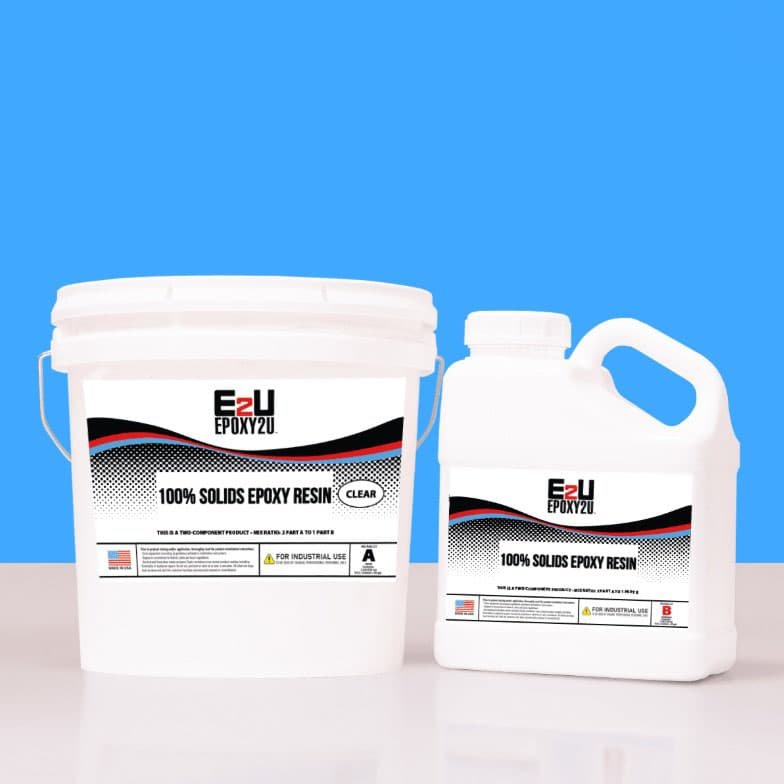
Not all epoxy is the same. Professional installations often use 100% solids resins, which cure into a thicker, denser coating film compared to many consumer-grade or diluted products. That extra build and strength can make a big difference in durability.
We break this down in detail in our dedicated guide: “What is 100% Solids Epoxy?”
Get a Floor Coating System That’s Built to Last
At DMV Epoxy Pro, we don’t install “one-size-fits-all” coatings. We install complete systems designed for your slab, your space, and your goals—using:
Epoxy basecoat with a moisture vapor barrier rated for a minimum 9 lbs MVER
Polyaspartic topcoat for long-term protection and easy maintenance
If you’re considering a garage floor coating (or basement or commercial coating), request a quote and we’ll recommend the right system for your concrete condition and usage.
If you’re ready to upgrade your garage or commercial floor, request a quote and we’ll recommend the best system for your slab and usage. Or see our complete list of services we offer, including flake and metallic epoxy coatings for homes and business’s on our services page.