
Flake vs Metallic Epoxy Floors: Which Finish Is Right for Your Garage, Basement, or Business?
Choosing an epoxy floor isn’t just about “getting a coating”—it’s about picking a finish that fits how you use the space and the look you want long-term. Two of the most popular options we install at DMV Epoxy Pro are flake epoxy floors and metallic epoxy floors. Both are durable, both are beautiful, but both need be built with the right prep, moisture control, and protective topcoat. Learn more about the importance of concrete prep and moisture control for epoxy floors.
This guide breaks down the differences—appearance, performance, maintenance, cost, and where each finish shines.
What’s the Difference: Flake vs Metallic Epoxy Floors
Flake Epoxy Floors (a.k.a. Decorative Flake / Color Chip)
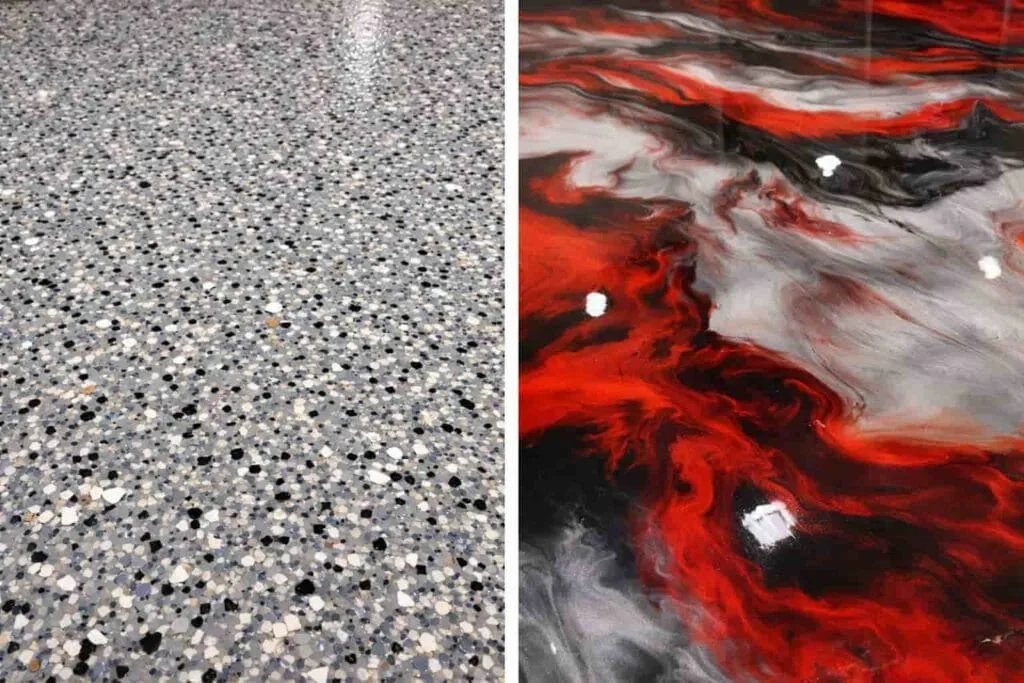
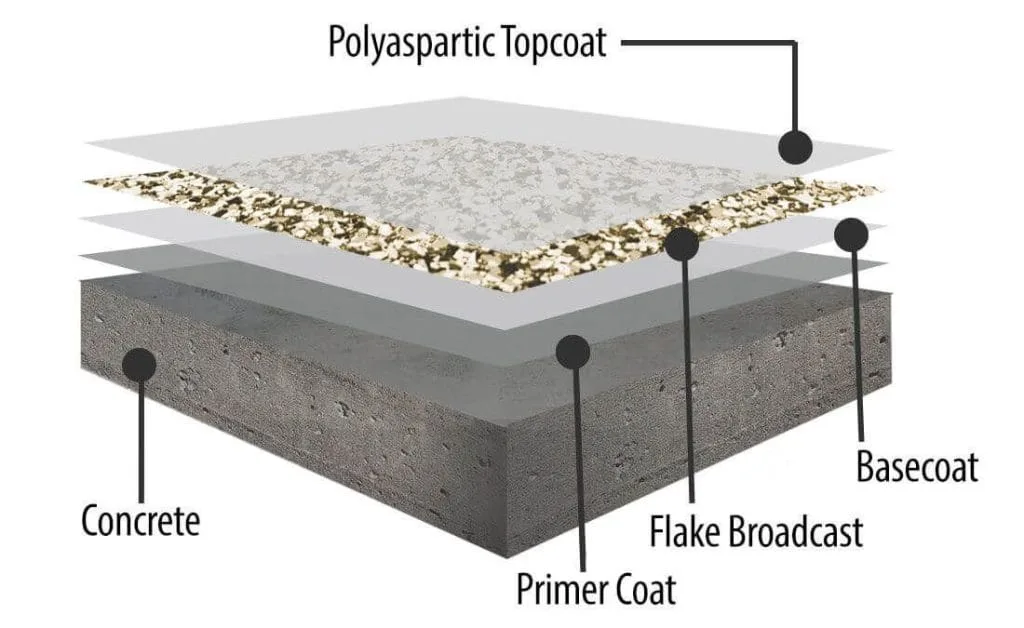
Flake floors use vinyl color chips broadcast into the basecoat, then sealed under a clear topcoat. At DMV Epoxy Pro we only use polyaspartic for this. See our article on Epoxy vs Polyaspartic for why. The result is a textured, finish that hides dirt and imperfections extremely well.
Metallic Epoxy Floors
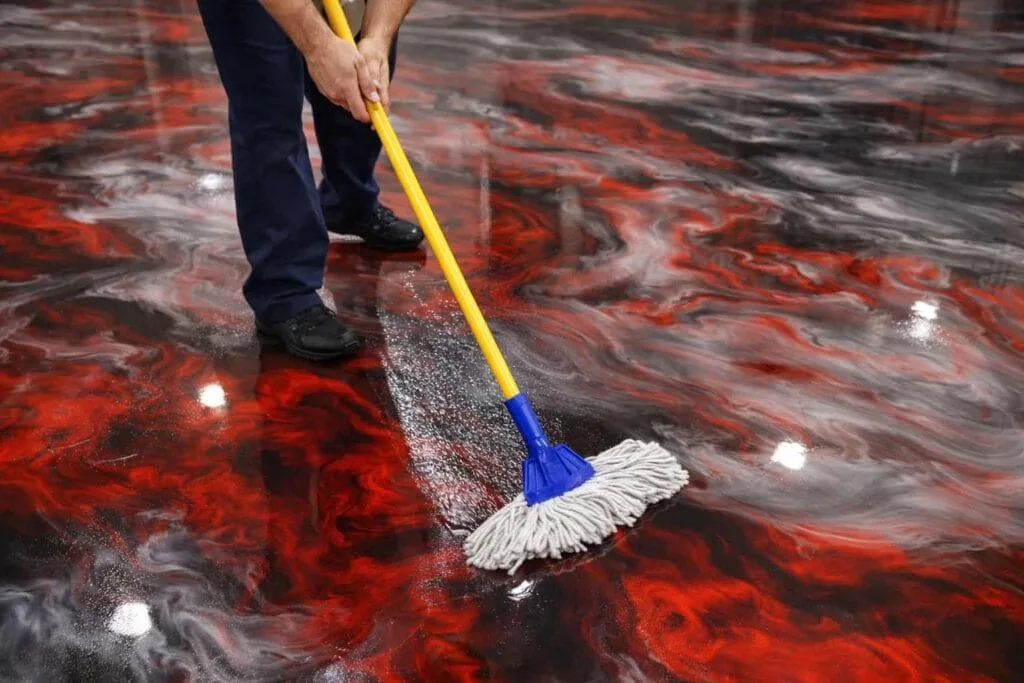
Metallic floors use an colored epoxy base coat, followed by another coating containing special pigments to create a swirling, 3D, “marbled” look. This is then followed by a polyaspartic topcoat. Every metallic floor is unique—more like functional art than a standard coating.
Flake Epoxy Floors: Pros, Cons, and Best Uses
Why Homeowners Love Flake Floors
Flake floors are the most common choice for garages because they’re forgiving and practical. See our page on garage epoxy floors for more info.
Benefits of flake epoxy floors:
Hides dirt, dust, and tire marks better than almost anything
Great at camouflaging minor concrete flaws
Can be customized with thousands of color blends
Offers improved slip resistance compared to a smooth gloss finish
Ideal for daily wear and tear in garages, workshops, and utility spaces
Best places for flake floors
Garages (most common)
Basements (especially storage/utility areas)
Laundry rooms / mudrooms
Commercial spaces that need durability + easy maintenance
Metallic Epoxy Floors: Pros, Cons, and Best Uses
Why Metallic Looks So Premium
Metallic epoxy floors are a “wow” finish. They’re smooth, glossy, and have depth—almost like polished stone. See our page on metallic epoxy floors or our page on coating color options.
Benefits of metallic epoxy floors:
High-end, custom appearance (no two floors are exactly the same)
Stunning in luxury spaces such as retail locations, or showrooms, but are also popular for high-end garages or basements.
Smooth finish is easy to mop and wipe clean
What to Consider with Metallic
Metallic floors can show dust, footprints, and smudges more than flake (like any glossy surface)
The “movement” and swirls are artistic—Customers and guests will immediately take note of your floor coating.
A gloss topcoat can be slick if wet. Going with a matte topcoat can greatly improve traction.
Metallic epoxy floors are more expensive than flake epoxy floors. Meticulous prep work is required, and in addition only the highest quality metallic epoxies are used such as Pro Epoxy.
Best places for metallic floors
Finished basements / entertainment rooms
Home gyms and man caves
Retail/showrooms
Commercial lobbies or offices
Luxury garages
Durability: Are Flake Floors Stronger Than Metallic?
When installed correctly, both systems are extremely durable. Durability is less about “flake vs metallic” and more about:
Surface prep
Moisture control
Basecoat choice & quality
Topcoat choice & quality
Application process
At DMV Epoxy Pro, we build both finishes using professional-grade materials and a proven system.
Our System: Prep, Moisture Testing, and Why It Matters
A long-lasting floor starts underneath the pretty part.
Professional Concrete Prep (Non-Negotiable)
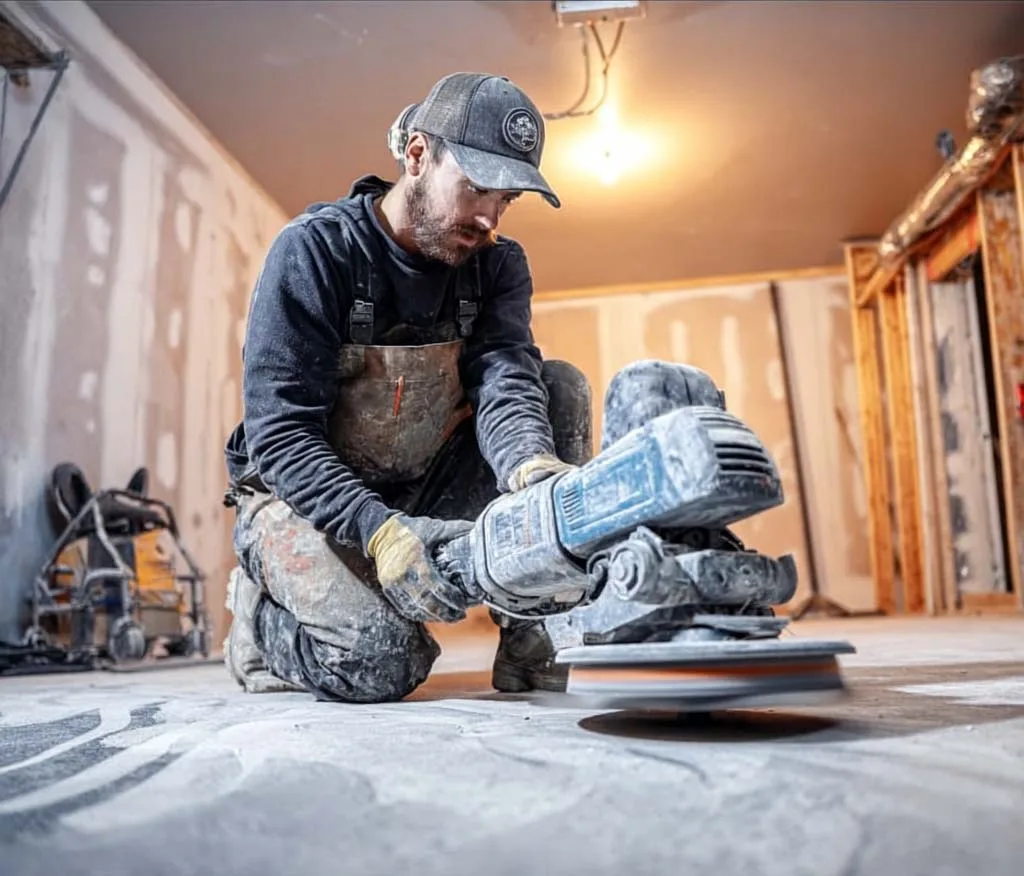
We mechanically prep the slab (diamond grinding), clean and repair cracks, and ensure the concrete has the right profile for bonding—because coatings don’t fail from “bad luck,” they fail from poor prep.
Moisture Testing + Moisture Vapor Barrier Basecoat
Concrete can transmit moisture vapor upward. If moisture isn’t managed, coatings can bubble, flake, or delaminate.
That’s why we use:
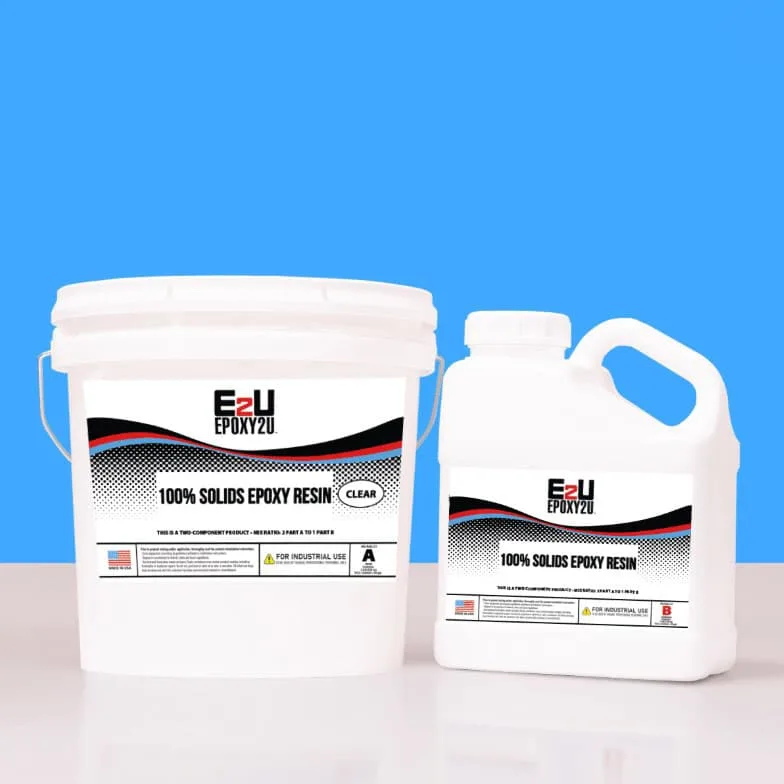
100% solids epoxy basecoat with built in Moisture Vapor Barrier – Includes a minimum moisture emission rate of 9 lbs.
See our article on the importance of 100% solids epoxy to learn more
If testing indicates high moisture emission, we will install a separate MVB coating with moisture emission rating of 25 lbs, before the epoxy base coat.
Polyaspartic Topcoat for Protection
We finish both flake and metallic floors with a polyaspartic topcoat because it adds:
Excellent abrasion resistance
Chemical and stain resistance
UV stability (helps reduce ambering vs many epoxies)
A tough, easy-to-clean surface built for real life.
Maintenance: Which Is Easier to Keep Clean?
Flake Floors
Extremely forgiving
Hides dust and everyday mess
Sweeping and occasional mopping keeps it looking great
Metallic Floors
Still easy to clean, but…
Glossy finishes show dust and footprints sooner
Best if you don’t mind light upkeep for a high-end look
Cost: Is Metallic More Expensive Than Flake?
Often, metallic floors cost more because they typically require more artistic labor, tighter environmental control, and a finish that’s less forgiving during installation.
That said, pricing depends on:
Square footage
Concrete condition (cracks, spalling, previous coatings)
Moisture needs
Topcoat selection and optional slip additives
Flake vs Metallic: Quick Recommendation Guide
Choose flake if you want:
The most practical garage floor
Better hiding of dirt and imperfections
A grippy, durable surface for daily use
Choose metallic if you want:
A luxury, high-gloss statement floor
A unique, custom “marble” look
A premium finish for a finished space or showroom
Frequently Asked Questions
Is flake epoxy the same as epoxy paint?
No. Professional flake systems use a true coating system (prep + base + broadcast + clear topcoat), using 100% solid epoxies, not a thin paint-like product.
Will metallic epoxy look exactly like the photos?
Metallic floors are intentionally unique. You can guide the color palette and overall style, but the swirls and movement will be one-of-a-kind.
Can you add slip resistance?
Yes. We can add slip resistance to the topcoat—especially important for entryways, basements, and commercial spaces.
Can you do a metallic coating for a commercial application?
Yes. See our page on commercial epoxy floor installations.
Get a Custom Recommendation (Based on Your Concrete and Your Goals)
If you’re deciding between flake and metallic epoxy floors, the best answer depends on how you use the space, what look you want, and what your slab needs (prep + moisture). Contact us for to help with any additional questions, or to get a free estimate.