
When it comes to upgrading the look and performance of your floors, epoxy flooring has quickly become one of the top choices for both homeowners and businesses. From garages and warehouses to kitchens and showrooms, epoxy floors offer a combination of durability, aesthetics, and long-term value.
In this blog, we’ll cover what epoxy flooring solution, its benefits, types, installation process, costs, and whether it’s the right choice for your space.
What Is Epoxy Flooring?
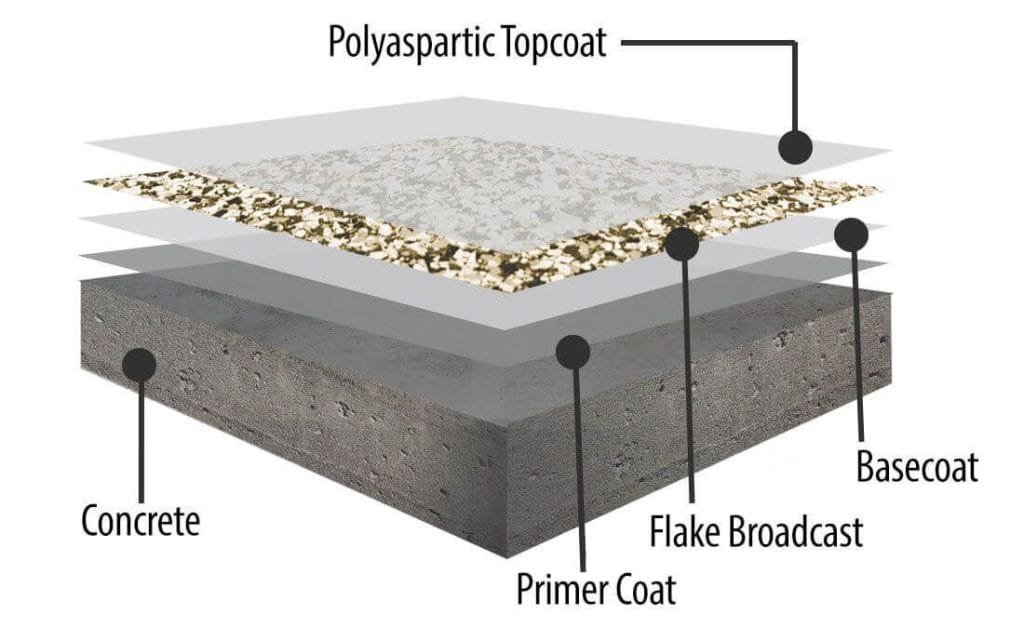
Epoxy flooring is a seamless surface created by applying multiple layers of epoxy resin over concrete. The mixture of resin and hardener creates a tough, plastic-like material that bonds strongly to the base, forming a glossy, smooth, chemical-resistant, and highly durable finish.
Top Benefits of Epoxy Flooring
1. Extreme Durability
Epoxy floors can withstand heavy foot traffic, vehicle movement, machinery, and daily wear and tear—making them ideal for garages, workshops, and commercial facilities.
2. Chemical & Stain Resistance
Oil spills, chemicals, cleaners, or grease do not damage epoxy. It’s one of the most resilient surfaces when it comes to stains and harsh substances.
3. Attractive, Customizable Look
Epoxy flooring is available in:
- Solid colors
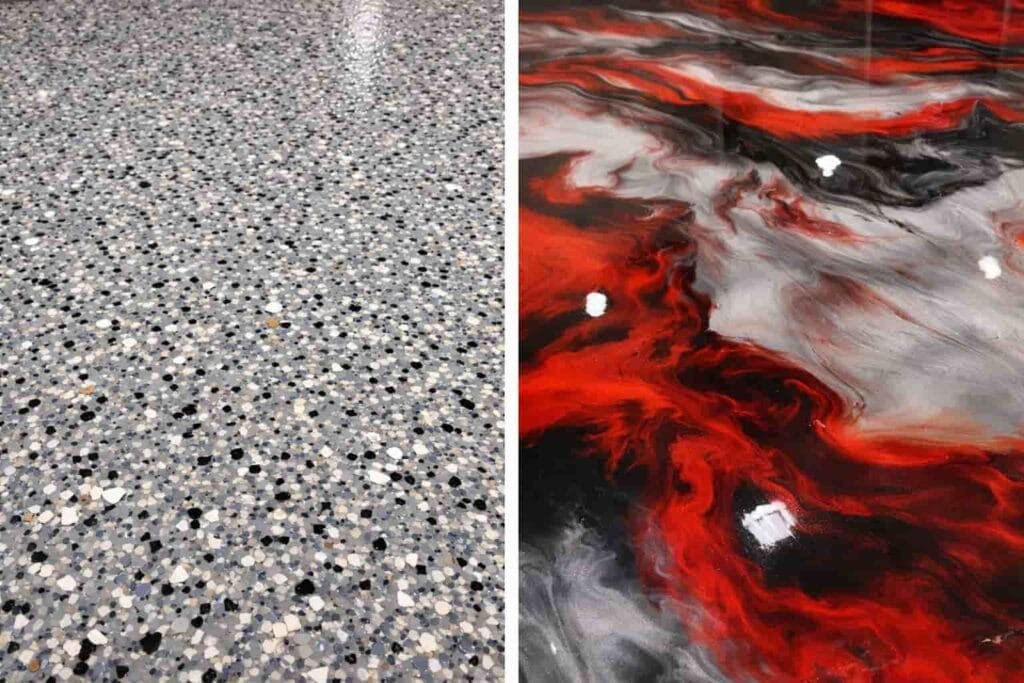
- Metallic finishes
- Flake/chip flooring
- Quartz designs
The glossy finish makes any space look cleaner and more modern.
4. Easy Maintenance
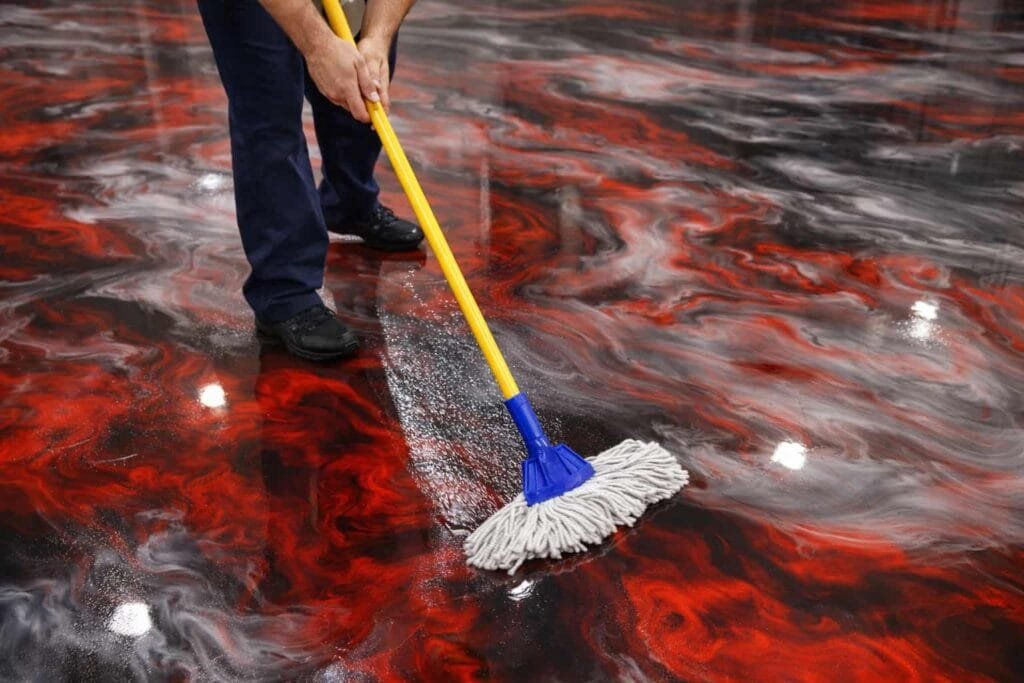
Epoxy is smooth and non-porous, so dust, dirt, and spills can be cleaned easily with a mop. No waxing or polishing required.
5. Cost-Effective
Compared to tiles, marble, and other premium flooring options, epoxy offers high durability and long life at a relatively lower cost.
6. Moisture & Slip Resistance
With the right topcoat, epoxy floors can be slip-resistant, moisture-protected, and safe for both residential and commercial use.
Types of Epoxy Flooring Solution
1. Solid Epoxy Coating
A smooth, high-gloss finish ideal for garages, commercial shops, and warehouses.
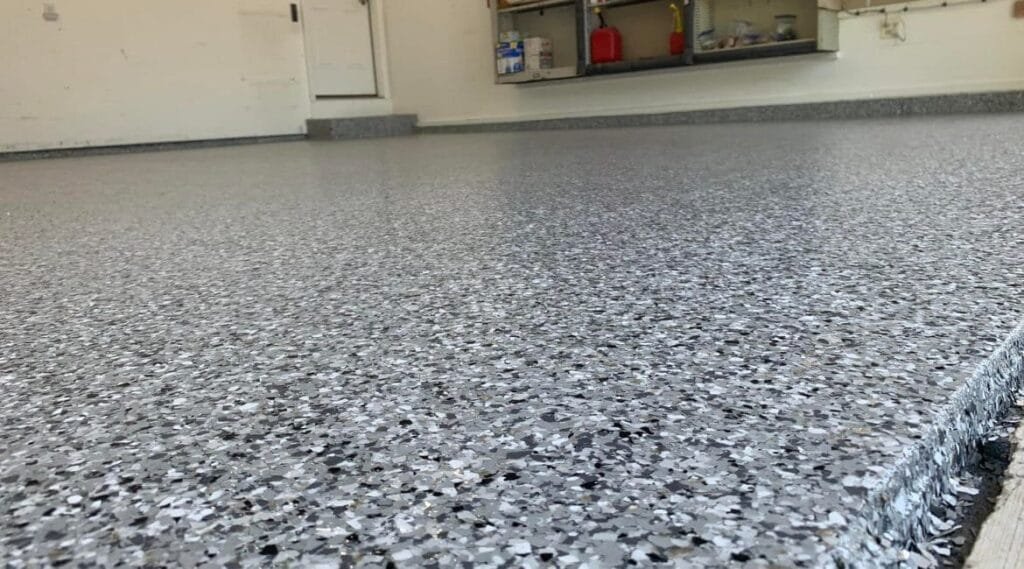
2. Flake Epoxy Flooring
Decorative color flakes are added to the epoxy to create texture and natural stone-like appearance. This is very popular for garages and basements.
3. Metallic Epoxy
A luxurious, 3D marble-like effect created using metallic pigments. Perfect for showrooms, offices, cafes, and luxury homes.
4. Quartz Epoxy
A blend of epoxy with colored quartz granules for a textured, slip-resistant, and extra-strong finish. Used in industrial and heavy-duty environments.
Where Epoxy Flooring Is Commonly Used
- Garages
- Commercial workshops
- Warehouses
- Restaurants & cafés
- Hospitals & labs
- Showrooms
- Basements
- Retail stores
- Industrial facilities
How Epoxy Flooring Is Installed
Step 1: Surface Preparation
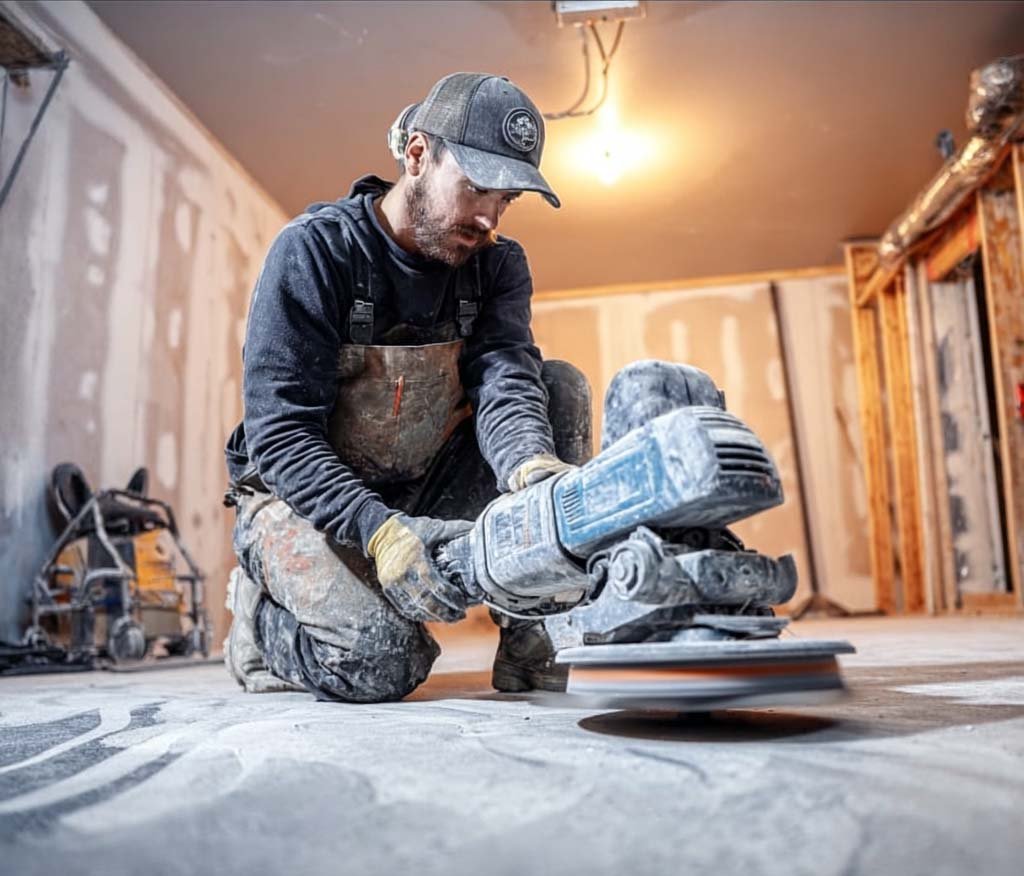
Concrete is cleaned, repaired, and mechanically ground to ensure proper bonding.
Step 2: Primer Coat
A primer helps seal the concrete and improves adhesion.
Step 3: Epoxy Application
One or more coats of epoxy resin are applied, depending on the type of flooring.
Step 4: Adding Flakes or Metallic Pigment (optional)
Decorative elements are added for style and texture.
Step 5: Topcoat Application
A protective, high-performance polyurethane or polyaspartic topcoat is applied for durability and shine.
How Long Does Epoxy Flooring Last?
With proper installation and maintenance, epoxy floors can last 10–20 years or even longer, depending on usage. Industrial-grade epoxy can last even more.
Cost of Epoxy Flooring
The price varies based on:
- Floor condition
- Type of epoxy (solid, flake, metallic)
- Number of layers
- Square footage
On average, epoxy flooring costs less than premium tiles but offers far greater durability.
Is Epoxy Flooring Right for You?
Epoxy is an excellent choice if you want flooring that is:
✔ Strong
✔ Attractive
✔ Low-maintenance
✔ Long-lasting
✔ Cost-effective
Whether you need a modern look for your home or a highly durable solution for your business, epoxy flooring delivers the perfect balance between performance and aesthetics.